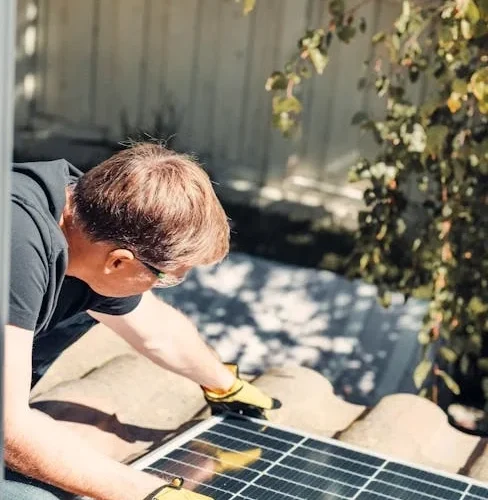
Starting a green energy business can be an incredibly rewarding venture, not only financially but also for the environment. With a growing demand for sustainable energy solutions, transitioning into this field can make a significant impact. As more consumers and businesses seek ways to reduce their carbon footprints, entering the renewable energy market can offer both profit and purpose.
What you need to know is that launching a successful green energy business involves more than just passion for sustainability; it requires strategic planning, knowledge of the industry, and a thorough understanding of your target market. Below, we’ll explore how to navigate this exciting path to ensure your business thrives.
To sum it up: identifying necessary market research, understanding certification processes, and knowing how to reach your audience is crucial for success in the green energy sector.
Understanding the Green Energy Landscape
The Importance of Renewable Energy
The green energy sector encompasses a variety of sustainable practices, including solar, wind, hydro, and biomass energy solutions. With global warming and climate change looming large, there is a pressing need for alternatives to fossil fuels. According to the International Energy Agency (IEA), global renewable energy capacity increased by 10% in 2021, showing a robust interest and commitment to sustainable options.
This trend highlights the importance of becoming well-versed in the latest technologies, policies, and consumer preferences related to renewable energy. By positioning yourself as a knowledgeable player in this arena, you can create a business that resonates with eco-conscious consumers.
Identifying Your Niche
Choosing a specific niche within green energy is vital. For example, you might focus on solar panel installation, wind turbine maintenance, energy efficiency consulting, or even eco-friendly building materials. Identifying your niche will help you streamline your business processes and target marketing efforts accordingly.
Ask yourself: What excites you the most about green energy? What unique skills do you possess that could cater to this sector?
Market Research and Business Planning
Conducting Market Research
Before launching, perform comprehensive market research to identify trends, potential customers, and competitors in your chosen niche. This helps you understand what already exists and where there are gaps that your business might fill.
For instance, if you find a growing interest in residential solar energy, perhaps offer a service that simplifies the installation process or provides financing solutions for homeowners. Real-world examples of entrepreneurs succeeding through thorough market research include companies like Sunrun, which streamlined solar installations to make it accessible to everyday homeowners.
Drafting a Business Plan
Once you’ve conducted your research, drafting a detailed business plan becomes essential. Your business plan should cover:
Executive summary
Market analysis
Organizational structure
Service offerings
Marketing and sales strategy
Financial projections
A well-structured business plan not only serves as a roadmap for your venture but is also crucial when seeking funding from investors or applying for loans.
Certifications and Legalities
Navigating Regulatory Requirements
In the renewable energy sector, understanding the regulatory landscape is critical. Different countries and regions have specific regulations concerning renewable energy businesses. To operate legally and effectively:
Identify necessary licenses and permits for your business.
Understand safety regulations pertinent to your niche.
Stay updated with policies on renewable energy incentives and rebates.
This foundational knowledge is vital for mitigating potential legal issues and enhancing your credibility in the market.
Certification Processes
Certifications can also strengthen your organizational credibility. For instance, having your employees certified in safety or quality assurance can be a significant selling point. The North American Board of Certified Energy Practitioners (NABCEP) offers certifications for solar panel installation, enhancing your business profile in that segment.
Building Your Brand and Marketing Strategy
Creating a Unique Brand Identity
Branding in the green energy sector revolves around trust and authenticity. Create a brand identity that reflects your commitment to sustainability, using eco-friendly practices in your marketing materials, packaging, and ongoing business operations.
An effective brand identity will resonate with customers who value transparency and corporate responsibility. Take, for example, companies like Tesla—which has built a brand focused on innovative electric vehicles and energy solutions.
Effective Marketing Strategies
In today’s digital era, a strong online presence is essential. Leverage SEO, social media, and content marketing strategies to reach potential customers. Share informative blog articles, case studies, and customer testimonials. Consider focusing on:
Local SEO strategies to attract customers in your immediate area.
Engaging social media campaigns that advocate for renewable energy.
Partnerships with local environmental organizations to amplify your reach.
By becoming a thought leader in the green energy conversation, you enhance both visibility and trust among potential clients.
Tools & Resources
To facilitate the growth of your green energy business, consider utilizing the following tools:
SolarPathfinder: A tool for determining the solar access of a site, helpful for solar energy businesses.
HOMER Energy: A modeling tool for optimizing microgrids, particularly useful for energy consultants.
QuickBooks: For financial management and accounting.
These resources can make management and operations smoother, allowing you to focus on securing clientele and growing your business.
Networking and Collaborating
As you embark on your entrepreneurial journey, don’t underestimate the power of networking. Engage with fellow entrepreneurs, suppliers, and potential customers through industry conferences, local business events, and online forums. Building collaborations with other green businesses can also lead to mutual referrals and enhance your credibility.
For instance, partnering with local construction firms to promote energy efficiency in new builds can open new channels for income and visibility.
The Value of Customer Feedback
Promptly gathering customer feedback can drive improvement in product offerings and service delivery. Regularly engage with customers to understand what they appreciate and where you can improve.
Listening to your customers not only enhances service quality but also builds loyalty and trust. Remember—happy customers are your best advocates!
The green energy market is rapidly evolving, and businesses that align with consumer demands while maintaining sustainability will thrive.
Empower yourself with knowledge, engage with your community, and leverage the growing interest in renewable energy. Now’s the time to turn your passion into a thriving enterprise. It’s not just about making profits; it’s also about making a positive impact on the planet and future generations.