When the door to the morning room opens, a crisp rustle of paper and a faint metallic scent hint that something fresh will arrive. That first pop‑in sound of a sealed package being slid off a counter instantly turns the mundane routine of grabbing coffee into an anticipatory moment of discovery. For tech enthusiasts, this simple ritual—tucking a new gadget into hand and unboxing it—has become the first measurable step toward a smarter, more efficient start to the day.
Why this little ceremony matters is simple: the way a product is presented, the accessories it comes with, and the experience it promises all start from the very first interaction. A seamless unboxing can set the tone for the entire lifecycle of the device, turning it from a mere appliance into an essential part of your daily ritual. It’s not just about the look; it’s about the feel, the reliability, and the ease of incorporation into your existing morning workflow.
What the first morning gadget unboxing reveals in minutes
When you peel back the packaging, you should immediately gauge three things: packaging integrity (does the outer box feel sturdy and premium?), the product’s tactile presence (is it light, comfortable, and balanced?), and the set of accessories (charger, quick‑start guide, and any supplementary parts). A well‑designed box delivers confidence, while a clumsy build can foreshadow future frustrations.
Packaging and Design: The first impression score
First glance at the packaging
The outer box’s first impression hinges on the design language: a sleek matte finish with a minimalist logo can speak loudly without shouting. Look for tight seams and high‑quality paper stock; flimsy cardboard or crooked edges often signal a lower production quality or rushed shipping.
Color, materials, and brand personality
Color palette speaks to the emotional tone you will experience daily. A muted blue or charcoal suggests calm and focus—ideal for a morning routine—while brighter accents can energize and inspire. Material choices, such as matte versus glossy finishes, also influence the perceived durability. Packaging that feels substantial but not over‑the‑top tends to translate into a trustworthy device.
Quick Tip: Hold the box long enough to feel the heft—if it feels “light as a feather,” prepare for a battery that might need frequent charging.
Inside the Box: What you actually get
Key components and accessories
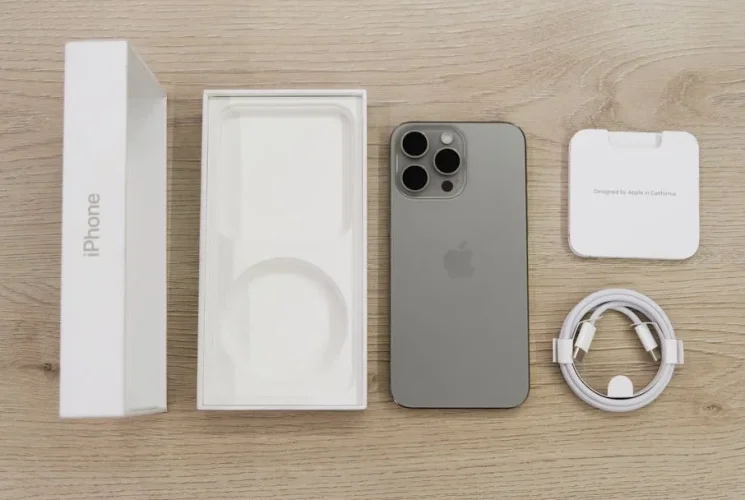
A solid unboxing includes the main device, a properly labeled charging strap or dock, a user guide with clear illustrations and step‑by‑step screenshots, and sometimes a protective case or screen protector. Each piece should have a dedicated slot that prevents it from moving around during transit, ensuring everything arrives intact.
Surprises vs missing pieces
It’s not unusual to find small, unexpected extras—like a premium cable or a sample app download card—that can elevate the user experience. Conversely, missing essentials, such as a charging cable, can immediately frustrate new users. Pay attention to whether the box’s contents match the product specifications advertised on the website.
First‑time Setup: Getting things running quickly
Initial setup and firmware updates
The best unboxing experience seamlessly shifts to quick‑start mode. Look for an intuitive setup wizard that guides you through Wi‑Fi connection, firmware updates, and basic customization. Some devices auto‑detect your environment and suggest optimal settings; others require a manual calibration that can take extra time.
Connection experience and connectivity
If the gadget claims to be “smart,” test its connectivity right away—Bluetooth pairing should complete within seconds, Wi‑Fi should scan and connect automatically. A laggy interface at this early stage hints at possible software glitches that will surface later and can undermine confidence.
Pro Tip: Set your alarm or routine tasks before the device even boots fully—test one of its core functionalities to see how well it integrates into your habit loop.
Real‑World Usage Scenario: First Morning Test
Scenario 1: Smart alarm integration
Plug the new gadget into its designated spot on the nightstand, and let it sync with your existing alarm app. The moment the alarm sounds, the device should respond—adjusting brightness, starting a playlist, or initiating a voice prompt. Observe how quickly it moves from standby to active state.
Scenario 2: Voice assistant test
If the device has built‑in voice commands, ask it a simple query (“What’s my calendar today?”). A precise, context‑aware answer establishes trust in future interactions. This is your first confirmation that the gadget truly supports the “smart morning” you’re after.
Performance Snapshot: How it performs right away
Speed and responsiveness
Measure how quickly the device displays its home screen after a tap or voice command. A lag of more than a couple of seconds can be a deal‑breaker for any morning routine where you’re already racing against the clock.
Battery life preview
Turn on the device and let it run a basic test—ideally a 1‑hour simulation of typical usage. Note the battery indicator after the test; if it’s visibly draining, you’ll likely need to keep it plugged in overnight—a quick fix, but something to keep in mind for early adoption.
Tools & Resources: Making the most of your unboxing
Checklist for a smooth unboxing
✔ Packaging integrity check
✔ Component inventory with labels
✔ Quick‑start guide readthrough
✔ Firmware update status
✔ Initial connectivity test
Apps, firmware, and support links
Most modern gadgets come with companion apps available on iOS or Android. Install the relevant app before you start; it should guide you through registration, firmware updates, and cloud connectivity. Also gather links to the manufacturer’s FAQs, support forums, and any YouTube tutorials provided by the creator.
Actionable Takeaway: Setting up for success
Prepare your setup space: Lay out a clear area on the nightstand or desk. Keep the charger within arm’s reach so you never scramble for cables in the dark.
Run the quick‑start wizard: Within the first 10 minutes, complete the onboarding flow and allow any firmware updates to finish before the morning rush.
Test a core feature: Choose one key function (alarm, voice command, or app integration) and confirm it works seamlessly in a real‑world scenario.
Keep documentation handy: Bookmark the user guide and support pages; they’ll be lifesavers when tweaking settings later on.
By approaching the unboxing like a small project—with a checklist, a quick test, and an eye on performance—you turn a simple opening of a package into a deliberate step toward a smoother, more productive morning. The device’s true value lies not just in its features but in how quickly it dovetails into your existing rituals. Prepare, test, and enjoy: that’s the recipe for a gadget that becomes an integral, rather than an optional, part of your day.


Follow Me