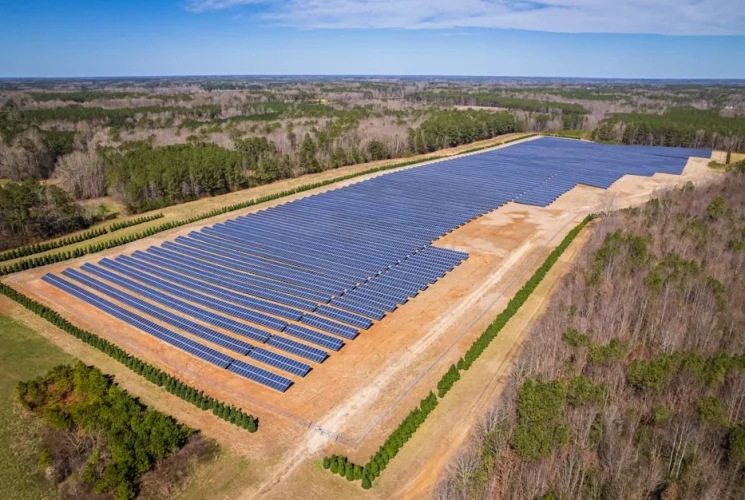
Solar energy has become one of the most sought-after solutions for environmentally conscious homeowners and businesses alike. With a growing interest in renewable energy and a desire to reduce electric bills, understanding the different types of solar panels can be the first step towards a sustainable energy future. Whether you’re contemplating a solar installation or merely curious about the technology, knowing the distinctions between solar panel types is crucial.
Different types of solar panels exist, each with unique advantages and potential applications. Here’s a comprehensive overview of the most common options available in the market today.
What Are the Main Types of Solar Panels?
Generally, there are three primary types of solar panels available: monocrystalline, polycrystalline, and thin-film. Each type comes with its own characteristics, suited for specific energy needs and environmental conditions.
1. Monocrystalline Solar Panels
What They Are:
Monocrystalline panels are made from single-crystal silicon. This gives them a uniform appearance that’s often recognized by their dark black color. They are known for their high efficiency and longevity.
Benefits:
Efficiency: Typically, these panels have an efficiency rating between 15% to 22%, making them one of the most efficient on the market.
Space-saving: Due to their high efficiency, fewer panels are needed to generate the same amount of energy, making them ideal for installations where space is limited.
Lifespan: Monocrystalline panels usually come with warranties of 25 years or more.
Considerations:
While they are generally more efficient, they also come with a higher price tag. This is an investment that pays off well over time due to their long lifespan and performance.
2. Polycrystalline Solar Panels
What They Are:
Polycrystalline panels are made from multiple silicon crystals melted together. This manufacturing process gives them a speckled blue color and a less uniform look compared to their monocrystalline counterparts.
Benefits:
Cost-effective: These panels are usually cheaper to produce, which translates to lower upfront costs for the consumer.
Environmental Impact: The manufacturing process of polycrystalline panels is less energy-intensive compared to monocrystalline panels.
Considerations:
While polycrystalline panels tend to be less efficient than monocrystalline ones (typically around 13% to 16%), they can still make a great option for larger installations where space isn’t as big of a concern.
Callout: Did you know? One of the most important factors to consider when choosing solar panels is efficiency. Higher efficiency means more energy production, especially in limited spaces.
3. Thin-Film Solar Panels
What They Are:
Thin-film panels are made by depositing photovoltaic material onto a substrate. This construction allows them to be lightweight and flexible, providing unique applications in various settings.
Benefits:
Flexibility: The lightweight and flexible nature means they can be installed on unconventional surfaces, like curved roofs or portable devices.
Performance in Heat: Thin-film panels typically perform better in high-temperature conditions compared to crystalline panels, making them suited for hot climates.
Lower Material Usage: The construction process uses less silica, relatively lowering the environmental impact of production.
Considerations:
However, thin-film panels generally have lower efficiency ratings (around 10% to 12%) and require more space, thus necessitating larger installations.
Practical Applications and Scenarios
To better understand how different types of solar panels can be applied, consider these real-life scenarios:
Urban Homes: A city homeowner with limited rooftop space might install monocrystalline panels to maximize energy production without compromising aesthetics.
Rural or Large Properties: A farm or rural property with ample space can opt for polycrystalline panels to keep costs low while generating ample energy for agricultural needs.
Unique Structures: Buildings with unconventional roofs or those needing a portable power solution may find thin-film panels to be a highly adaptable option.
Tools & Resources
When considering solar installation, several tools and resources can significantly ease the process:
Solar Panel Calculators: Online calculators can help estimate energy needs and how many panels might be necessary.
Local Solar Installers: Don’t hesitate to consult with local solar installation companies to learn about available warranty options, incentives, and maintenance.
Key Considerations for Choosing Solar Panels
When deciding which solar panel type is the right fit for you, consider the following:
Energy Needs: Assess how much power you consume monthly and select a panel type accordingly.
Budget: While upfront costs matter, think also about long-term savings. Consider the panel’s efficiency, longevity, and warranty.
Space Availability: Evaluate the surface area you have for installation. Smaller areas might benefit from high-efficiency panels to maximize output.
Callout: Remember, investing in solar panels is more than a financial choice; it’s a step towards a sustainable future!
Purchasing solar panels isn’t just about the panels themselves; it’s about choosing a solution that fits your specific needs and lifestyle while supporting a greener planet.
In an era where energy costs continue to rise and environmental concerns grow more pressing, understanding the landscape of solar panels will empower you to make informed choices. Each type offers a unique balance of efficiency, cost, and versatility.
⭐ Trusted by 5,000+ marketers and founders who apply this strategy to grow faster.
As you explore your options, remember that the journey towards renewable energy doesn’t have to be daunting. With the right information and resources, you can confidently select the best solar panel solution for your needs. Take that first step today, and invest in a brighter, cleaner future!